Pre-engineered steel buildings (PEBs) are turning out to be a cost-effective, flexible construction option. These are perfect for building modern homes as well as for structures required for industries, commercial spaces and agricultural facilities. However, it is often wondered how much these buildings cost today. In short, the answer is – it depends. However, prices can actually vary widely – based on various factors.
Building size and span
The overall size of the building is one of the biggest driving factors, as far as cost is concerned. It is not only about length and width. The clear span, or overall width without internal columns, matters as well. In total, larger buildings cost more. However, these often cost less per square foot.
Longer clear spans usually require heavier steel sections and stronger roof systems. This can make material costs go up. While the per square foot cost of a 5,000 sq ft steel warehouse will be less than that of a 30,000 sq ft facility, the total cost of the larger building will be higher.
Material prices and market trends
Today, steel prices are influenced by:
- International trade policies
- Energy and fuel costs
- Demand from construction and manufacturing sectors
If there is even a small rise in steel cost per ton, the total project expense can go up by thousands. Some builders lock in prices with supplier contracts. It helps them to avoid mid-project price jumps.
Design choices and custom features
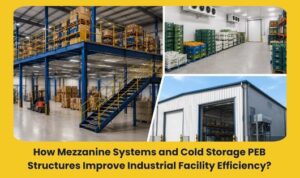
Not all steel buildings are the same. Those with basic designs cost less. However, those with custom features like mezzanines, insulation, skylights or special doors may come at a higher price. Add-ons like insulation systems (especially energy-efficient ones) can have an impact on cost.
Architectural elements like façade treatments, mezzanine floors for additional workspace and high overhead doors for vehicles or equipment push up the final costs too.
Location and labor costs
Geographical location also plays a big factor, since delivery costs and labor rates vary a lot by region. Often, labor and equipment rental rates are higher in industrial or urban hubs. In rural or remote regions, the expenses associated with transporting materials is more. Deliveries have to be made over longer distances.
In 2026, costs are higher in urban areas and cheaper in rural or suburban markets. Subsidies or tax incentives are offered for industrial construction in some regions. Before work commences, ask local contractors for labor cost breakdowns, to avoid any surprises later.
Site conditions and foundation work
There can be huge variation in the cost of preparing the land before construction, depending on factors like:
- Soil type
- Grading requirements
- Drainage needs
- Existing structures or debris removal
It is more affordable to build on flat, undulated land. However, if your Pre-Engineered Steel Building requires a special foundation or extensive grading, costs can rise quickly. Planning a soil test early can help prevent costly surprises later.
In 2026 the cost of a modern, pre-engineered steel building might be in the range of around $20–$50+ per-square-foot, for the basic structure. The total expense can rise beyond $100 per-square-foot, in case of higher specifications or features.