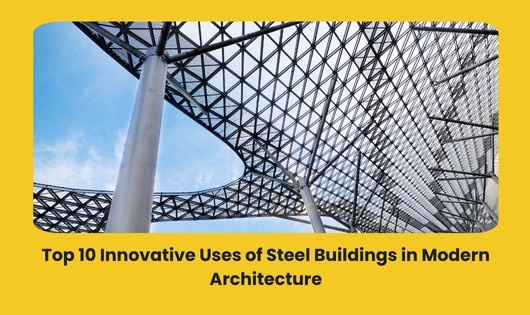
Unmatched strength, flexibility and durability – these are undoubtedly the top three advantages of steel buildings. Today, these are revolutionizing modern architecture – more or less. You cannot ignore their eco-friendly potential too.
Steel, unlike traditional materials, can be used for fast construction. These can easily be recycled and are up to 98% reusable. Plus, these can be adapted to bold designs. Architects can use these for all kinds of structures – whether pop-up pavilions or sustainable skyscrapers. They can push boundaries while minimizing environmental impact. Find out about the top 10 innovative uses of steel buildings in modern architecture.
Modular Housing Solutions
Steel has prefabricated panels. These allow builders to assemble homes fast, which reduces construction times by 50%. In projects like London’s Shipping Container Homes, you can see steel modules being repurposed into affordable, stackable residences. These are ideal in the modern, congested urban areas.
Earthquake-Resistant High-Rises
As compared to concrete, high-tensile steel frames can absorb seismic shocks much better. In the Mori Tower of Tokyo, damped steel braces have been used. These allow the building to sway without collapsing. It shows the superiority of steel in high-risk zones.
Sustainable Greenhouses and Agri-Domes
Vast, climate-controlled spaces can be created with curved steel structures, ideal for vertical farming. In Cornwall, the Eden Project spans massive biomes with lightweight ETFE panels on steel skeletons. These boost food production throughout the year.
Pop-Up Event Spaces
Today, steel pavilions are being used for festivals or markets increasingly. These are demountable in nature. You can see how the temporary steel domes of Burning Man can easily be folded flat, transported and reused with no wastage.
Floating Structures and Bridges
The floating solar farms or pedestrian bridges of Norway are made of corrosion-resistant steel. These have lightweight frames, which stand up to water-related challenges and support off-grid energy.
Sports Arenas with Retractable Roofs
Steel is known for its superior tensile strength, which powers massive, movable roofs. In the Olympic Stadium (“Bird’s Nest”) of Beijing, 42,000 tons of steel have been used to create an iconic, weather-adaptive venue for global events.
Disaster-Resilient Shelters
For refugee camps or emergency hospitals, pre-engineered steel buildings deploy in hours. After Hurricane Katrina, structures raised in the U.S. featured ventilated steel frames. These ensured fast, durable relief.
Urban Vertical Farms
In cities, space can be maximized with multi-story steel towers. The Sky Greens of Singapore consists of steel frameworks for rotating hydroponic shelves. These produce 10 times more greens per square foot.
Adaptive Reuse Warehouses
Old steel factories transform into lofts or co-working spaces. Elevated steel tracks have been repurposed in New York’s High Line into green parks. These blend industrial heritage with contemporary living standards.
Off-Grid Tiny Homes and Glamping Pods
Compact steel cabins consist of solar panels and insulation, allowing remote escapes. Galvanized steel has been used in the lava-field pods of Iceland, ensuring weatherproof, minimalist retreats that blend into nature.
In modern architecture, steel buildings are not just structures. These have turned into dynamic solutions in a world that is changing fast. It is possible to build smarter, faster and greener with innovative use of steel. And everyone seems to be loving it.