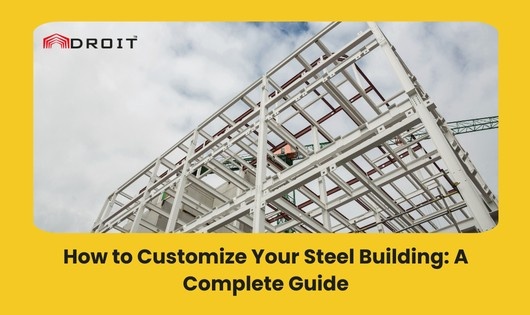
When it comes to versatility, stability and durability, there cannot be any match for steel. Steel is regarded as the best choice, while constructing workshops, storage units, garages or even modern homes. Unlike brick or traditional wood structures, steel frames are known to resist pests, fire and harsh weather well enough. Naturally, these are ideal for many contractors today.
You can get a steel building customized to match your vision, whether you want to erect a residential or a commercial establishment. Here is a complete guide that will help you to walk through the process easily and tailor your steel building to your specific needs and budget.
Plan your vision and needs
You have to begin by defining the size, purpose and location of your building. Collaborate with your architect to sketch layouts after properly considering the soil type and zoning laws of the locality.
In India, you have to take seismic standards and monsoon resilience in consideration. It is important to evaluate your special requirements with accuracy. The measurements should be done twice, adding 20% buffer for future expansions, to prevent expensive add-ons in the future.
Choose the right steel building kit
It is important for you to choose pre-engineered kits from esteemed suppliers, such as those who offer galvanized steel for rust-proofing. Decide on clear-span designs for open interiors or multi-bay for divisions.
Choose high-grade steel of at least 14-gauge thickness. Steel of thicker gauges can withstand wind speeds up to 150 kilometer per hour, which is vital for cyclone-prone regions in states like West Bengal.
Design the foundation and framing
Your structure can be properly anchored with a solid concrete slab foundation. For additional storage purpose, customize framing with lean-tos or mezzanines. Get the windows and doors customized strategically. Use large skylights for natural lighting, which can improve energy-efficiency by as much as 30%. For garage spaces, use insulated roll-up doors.
Select roofing and exterior finishes
Water can drop off fast from purlin-style roofs. Clad exteriors in corrugated panels, wood siding, or stucco, to get an aesthetic finish.
Use spray foam or similar eco-friendly insulation, to reduce energy bills by as much as 40%. It can be suitable for sustainable construction and can align with environment-friendly trends.
Add interior and utility features
If you wish to lend a modern edge to your structure, integrate smart controls or solar panels. Install HVAC, lighting and partitions. Make ventilation systems a priority. You can prevent condensation with exhaust fans and ridge vents, extending the longevity of your building in humid climates.
Focus on compliance and permits
For structural certifications, you should get in touch with engineers. In India, you have to secure approvals from municipal bodies or local panchayats early on. Hire certified professionals for installation work. Do not go DIY, as you can be at risk of voiding warranties. Professionals can ensure proper safety and code compliance.
Once everything is done, you can finalize with finishing touches such as painting with weather-resistant coatings, adding gutters and landscaping around them for curb appeal. You can be assured of aesthetic, durable and stronger structures with the use of high-quality steel from an esteemed supplier in your locality.